
Egg Freezing vs. Embryo Freezing: Which is the Best Option for You and Your Surrogate?
When considering surrogacy as a pathway to building a family, one important decision for intended parents involves choosing between egg freezing and embryo
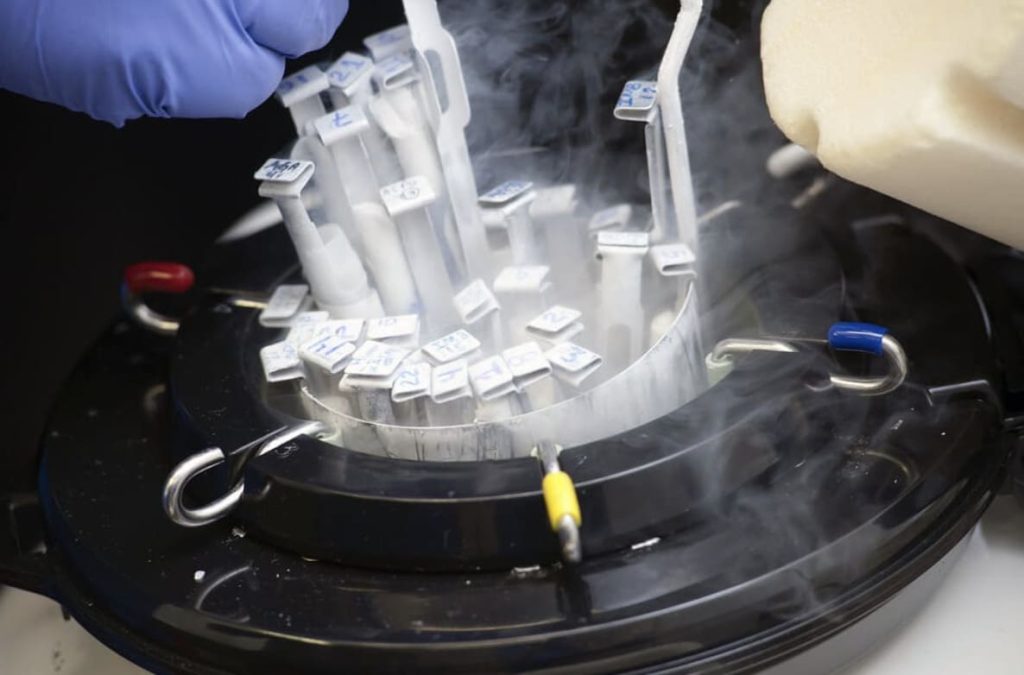
When considering surrogacy as a pathway to building a family, one important decision for intended parents involves choosing between egg freezing and embryo freezing. Both options have distinct advantages, and understanding their differences can help you and your surrogate achieve the best possible outcomes. In this article, we’ll explore the process, benefits, and potential challenges of each option to guide you in selecting the one that aligns best with your needs.
What is Egg Freezing?
Egg freezing, also known as oocyte cryopreservation, is a process in which a woman’s eggs are collected, frozen, and stored for future use. This option has become increasingly popular for those who wish to preserve their fertility at a younger age but may not be ready to conceive immediately. Egg freezing is especially beneficial for women facing certain life situations or health conditions where preserving their eggs early can make a significant difference in future fertility success.
Who is Egg Freezing Best For?
- Individuals Not Ready for Fertilization Yet: Egg freezing is ideal for those who may want children in the future but aren’t ready to decide on a sperm source or partner. It offers the flexibility to fertilize the eggs when the time is right.
- Women in Their Late 20s to Early 30s: For those who want to safeguard their fertility, egg freezing allows women to store younger, healthier eggs, increasing their chances of conception in the future.
- Individuals with Medical Conditions: Egg freezing can be a critical choice for women facing medical treatments, such as chemotherapy or radiation, that might affect their ovarian reserve or fertility.
- Those with Family Histories of Early Menopause: Women whose family members have experienced early menopause may benefit from freezing their eggs while their ovarian reserve is still strong.
The Egg Freezing Process:
- Ovarian Stimulation: The process begins with hormonal stimulation, where the woman takes medications to encourage the ovaries to produce multiple eggs in one cycle (normally, only one egg is released per month).
- Monitoring and Egg Maturation: Throughout this period, the ovaries are monitored with ultrasounds and blood tests to track egg development and ensure they are maturing properly.
- Egg Retrieval: When the eggs are ready, a minor surgical procedure called egg retrieval is performed under light sedation. During this process, a specialist uses ultrasound guidance to retrieve the eggs from the ovaries with a thin needle.
- Vitrification (Freezing): The mature eggs are then frozen using a fast-freezing process known as vitrification, which prevents ice crystals from forming and damaging the eggs. Vitrified eggs can be stored for years without compromising their quality.
Key Benefits of Egg Freezing:
- Flexibility: Egg freezing allows intended parents to use the eggs later, when they’re ready to begin the surrogacy process.
- Greater Control Over Timing: Egg freezing provides a way to delay fertilization until the intended parents are ready.
- Preserving Genetic Health at a Younger Age: Freezing eggs at a younger age can preserve higher-quality eggs, increasing the chances of successful fertilization later on.
Potential Challenges:
- Additional Procedures: Once the eggs are thawed, they need to be fertilized to create embryos, which requires an extra step before implantation.
- Limited Success Rates Per Egg: While egg freezing has advanced, not every egg will survive the freezing and thawing process, so a higher number of eggs may be needed to achieve the desired outcome.
Egg freezing is a valuable option for those who need more time before making decisions on family-building. However, it’s important to remember that not every egg will survive the thawing process or result in a viable embryo. Therefore, it’s often recommended to freeze a higher quantity of eggs to increase the chances of successful fertilization in the future.
What is Embryo Freezing?
Embryo freezing, or embryo cryopreservation, involves fertilizing an egg with sperm to create an embryo, which is then frozen for future use. This option is particularly beneficial for those who have a specific plan for their genetic makeup or have already decided on a sperm source, as it allows for higher success rates in future implantation. Embryo freezing is commonly chosen in surrogacy arrangements where intended parents want to optimize the process with a ready-to-implant embryo.
Who is Embryo Freezing Best For?
- Couples with a Decided Sperm Source: For those who have chosen a sperm donor or partner, embryo freezing allows them to create embryos that can be ready for implantation when they’re ready to start the surrogacy process.
- Those Planning to Start Surrogacy Soon: Embryo freezing is ideal for those who plan to proceed with surrogacy in the near future, as it skips the fertilization step during implantation preparation.
- Individuals Wanting Genetic Screening: Embryo freezing enables preimplantation genetic testing (PGT), which screens for chromosomal abnormalities or specific genetic conditions, giving intended parents peace of mind regarding the health of their embryo.
- Those Seeking Higher Success Rates for Implantation: Since embryos are already fertilized, they tend to have a higher success rate for implantation post-thawing compared to unfertilized eggs.
The Embryo Freezing Process:
- Ovarian Stimulation: Similar to egg freezing, embryo freezing begins with hormonal stimulation to encourage the ovaries to produce multiple eggs.
- Egg Retrieval and Fertilization: Once the eggs reach maturity, they are retrieved through a minor surgical procedure. The eggs are then fertilized with the intended sperm source, either naturally or using Intracytoplasmic Sperm Injection (ICSI), where a single sperm is injected into each egg.
- Embryo Development: The fertilized eggs are monitored as they develop into embryos, usually over a 3-5 day period. Specialists assess the quality of each embryo to ensure they are healthy and viable for freezing.
- Genetic Testing (Optional): At this stage, intended parents may opt for PGT, which screens for genetic abnormalities and helps select the healthiest embryos.
- Embryo Vitrification (Freezing): Once the best-quality embryos are chosen, they are frozen through the vitrification process, ensuring they are preserved until the intended parents are ready for implantation.
Key Benefits of Embryo Freezing:
- Higher Success Rates: Since the embryo is already fertilized, it generally has a higher success rate for implantation after thawing.
- Genetic Screening Options: Embryo freezing allows for preimplantation genetic testing (PGT), which can identify potential genetic abnormalities and increase the chances of a healthy pregnancy.
- Simplified Process for Surrogacy: Freezing embryos can simplify the surrogacy journey by eliminating the need for additional fertilization steps.
Potential Challenges:
- Limited Flexibility for Future Changes: If circumstances change, such as choosing a different sperm or egg source, the frozen embryos can’t be modified.
- Higher Initial Cost and Complexity: Embryo creation involves both egg retrieval and fertilization, which can make the initial process more complex and costly.
Embryo freezing is advantageous for those looking to simplify the surrogacy process in the future, as it allows embryos to be ready for implantation when the surrogate is prepared. This option also helps avoid potential delays related to the timing of egg retrieval and fertilization, which can streamline the surrogacy timeline.
How to choose?
Choosing between egg freezing and embryo freezing can be a complex decision, as both options offer unique advantages. Understanding your timeline, medical needs, and personal goals can help determine the best choice for you and your surrogate. Here are some key considerations to guide you through the process:
- Your Timeline: If you’re ready to move forward with the surrogacy process in the near future and have already decided on a sperm source, embryo freezing may be the more efficient option. By having embryos ready for implantation, you and your surrogate can proceed with fewer delays. However, if you need more time or haven’t chosen a sperm source, egg freezing offers the flexibility to decide on fertilization at a later date.
- Genetic Screening Preferences: For intended parents who prioritize genetic health, embryo freezing is ideal. Embryo freezing allows for preimplantation genetic testing (PGT), which can screen for chromosomal abnormalities, giving greater assurance of a healthy pregnancy. Egg freezing, while flexible, doesn’t allow for genetic testing until fertilization has taken place.
- Emotional and Financial Readiness: Embryo freezing requires a greater initial commitment both emotionally and financially, as it involves completing the fertilization process upfront. In contrast, egg freezing can give you more time to make these decisions gradually, which may ease emotional and financial stress by spreading out costs and choices over time.
- Success Rates and Outcomes: In general, embryo freezing offers higher success rates for implantation because the embryos have already undergone fertilization. This can make embryo freezing particularly appealing for those looking to maximize their chances with each transfer cycle.
Ultimately, the decision between egg freezing and embryo freezing should align with your personal and family-building goals. Egg freezing offers flexibility and adaptability, which may be ideal for intended parents who need time before choosing a sperm source or deciding on a specific surrogacy timeline. Embryo freezing, on the other hand, provides efficiency and higher implantation success rates, making it an excellent option for those ready to proceed and optimize the surrogacy process. It is always important to consult your medical expert about which option best fits your health and personal circumstances.
Whether you choose egg or embryo freezing, both paths allow you to take proactive steps toward parenthood. At Surrogate Mexico, we understand that every family’s journey is unique, and we’re here to provide guidance tailored to your specific needs. With our expertise and personalized support, you and your surrogate will have the resources to achieve a successful and fulfilling surrogacy experience.
Conclusion
Choosing between egg freezing and embryo freezing is a significant decision in your surrogacy journey, and each option brings unique benefits that can support your goals as intended parents. Egg freezing offers unmatched flexibility, allowing you to preserve eggs at an optimal age while giving you time to make decisions about sperm selection and timing. This option is especially beneficial for those who need more time to plan their path to parenthood or wish to delay fertilization until they’re fully ready.
On the other hand, embryo freezing provides higher success rates for implantation and simplifies the surrogacy process by having embryos ready for when your surrogate is prepared. This path is ideal for those ready to begin their journey soon and who may benefit from genetic testing (PGT) to select the healthiest embryos, increasing the likelihood of a successful pregnancy.At Surrogate Mexico, we understand that every family-building journey is unique. Our team is here to support you with personalized guidance, ensuring you and your surrogate feel fully prepared and empowered every step of the way. Whichever path you choose, egg freezing or embryo freezing, our commitment is to help you achieve your dream of parenthood with the highest standards of care and expertise. Reach out to us today to explore your options and take the first step toward a fulfilling surrogacy experience.