LGBTQ+ Families and Assisted Reproduction: How the Global Conversation Has Evolved
From stereotypes to legal recognition: how the conversation about LGBTQ+ families and assisted reproduction changed, and where Mexico stands today.
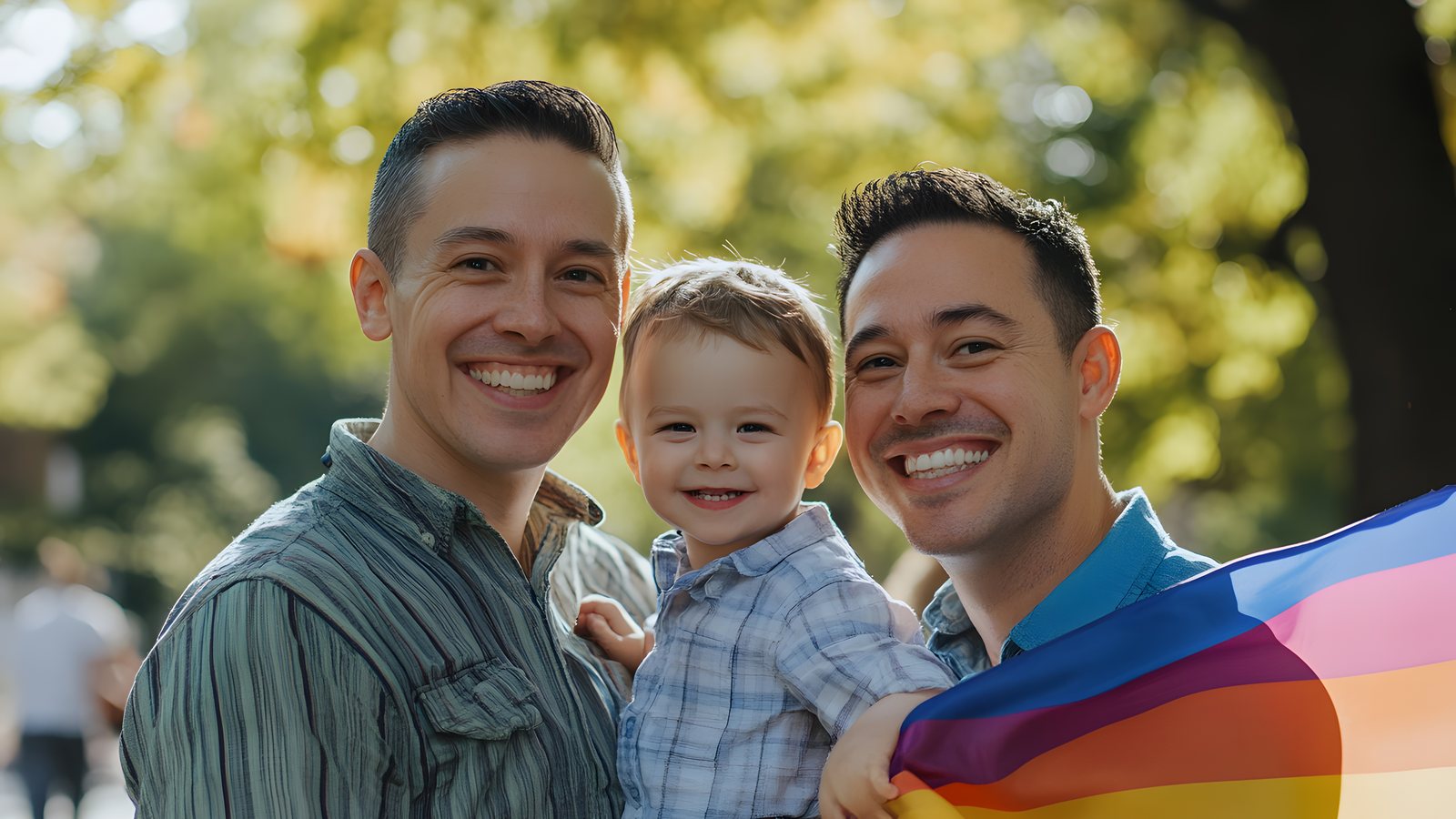
For many years, talking about building a family from an LGBTQ+ perspective meant facing questions, stereotypes, and, in many cases, the mistaken belief that the desire to have a baby was reserved for only one type of family. Over the past few decades, however, that conversation has changed significantly.
Today, more and more people recognize that the desire to build a family does not depend on a specific family structure, but on commitment, love, and the decision to provide a home for a baby. At the same time, advances in reproductive medicine and the evolution of legal frameworks in different parts of the world have opened new opportunities for more people to make that dream a reality.
At Surrogate Mexico, we have seen how this transformation has allowed more LGBTQ+ couples to explore options for having a baby through a structured process supported by medical, legal, and human guidance. More than a technological advancement, this represents an evolution in the way we understand what it means to build a family.
A Conversation That Has Changed Over Time
A few years ago, stories about LGBTQ+ families using assisted reproduction were rarely visible. Many people experienced this journey privately, while the available information was limited and often surrounded by misconceptions.
Over time, this reality began to change.
The development of reproductive medicine expanded the possibilities for many people who dreamed of having a baby. At the same time, public conversations evolved toward a more inclusive perspective, where different ways of building a family began to receive greater recognition.
Today, it is much more common to find information, personal stories, and spaces for dialogue that show there is no single path to becoming a parent.
The Desire to Build a Family Is Universal
Beyond the differences in every story, there is something that connects all families: the desire to share life with a baby and create a home built on love, commitment, and care.
LGBTQ+ couples share that same dream.
They also experience the excitement of imagining the future, preparing to welcome a child, and building a family with the same dedication as anyone else.
Recognizing this has been one of the most important changes in the global conversation.
The question is no longer who can build a family, but how to provide safe, ethical, and well-supported paths to make that possible.
Assisted Reproduction Has Expanded the Possibilities
One of the factors that has contributed most to this evolution is the advancement of assisted reproduction.
Thanks to procedures such as In Vitro Fertilization, there are now alternatives that allow many people to build a family when pregnancy cannot be achieved in the conventional way or when their family project requires a different path.
For many LGBTQ+ couples, these medical advances represent an opportunity to fulfill their dream of having a baby through a carefully planned process.
As part of Grupo Ingenes, a leader in reproductive medicine and genetics in Latin America, Surrogate Mexico integrates the medical, scientific, and technological expertise that supports every stage of the journey. This guidance allows families to move forward with clarity, confidence, and the support of a multidisciplinary team working under high medical standards with a people-centered approach.
Science has expanded the possibilities, but it is professional guidance that allows families to experience this journey with greater peace of mind.
Family Diversity Has Become More Visible
Society has also changed the way it understands the concept of family.
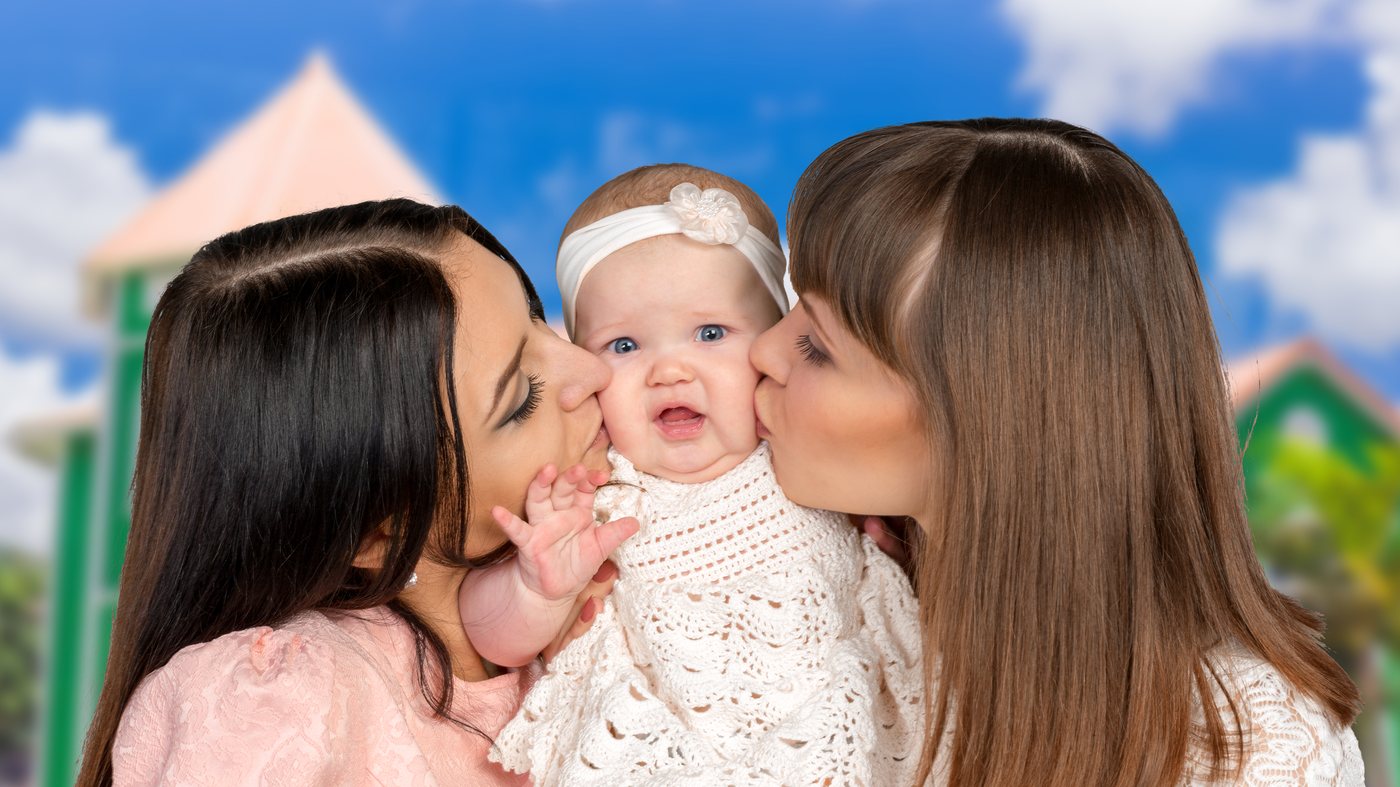
Today, we know that a family is not defined by following one specific model, but by the commitment to provide love, stability, and well-being for a baby.
This evolution has allowed LGBTQ+ families to gain greater visibility in different areas of society and has helped more people understand that there are many ways to build a home.
Although challenges still exist, today’s conversation is far more open and respectful than it was just a few years ago.
Information Has Replaced Many Misconceptions
Another important change has been access to clearer and more reliable information.
In the past, it was common to find misconceptions about assisted reproduction and surrogacy.
Today, families can better understand how each process works, what the different stages involve, and which specialists participate throughout the journey.
This information allows people to make more informed decisions and reduces the uncertainty that often comes with starting such an important life project.
When people understand the process, they can also experience it with greater confidence.
A Journey Built by a Team
One of the most important characteristics of a surrogacy program is that no family goes through the journey alone.
Behind every process is a team of specialists from different fields working together to support every stage.
The medical team oversees the assisted reproduction procedures.
Legal specialists provide legal certainty throughout the process.
Administrative teams coordinate essential aspects to ensure an organized experience.
And ongoing support allows families to receive guidance whenever they need it.
This structure helps families move forward with greater confidence from the very beginning.
The Surrogate’s Role Is Also Part of This Evolution
Having a more informed conversation also means better understanding the role of the surrogate.
At Surrogate Mexico, the surrogate participates freely and with full information within a model that prioritizes her physical, emotional, legal, and administrative well-being throughout the entire process.
In addition, within the gestational surrogacy model, the surrogate does not contribute genetic material to the baby.
This clarity helps everyone understand each person’s role and allows the process to develop with respect, transparency, and trust.
Recognizing the value of the surrogate has also been an important part of the evolution of the conversation surrounding surrogacy.
More International Families Are Finding New Opportunities
The evolution of this conversation is not limited to one country.
More and more people from around the world are exploring options to build a family through programs that offer security, medical expertise, and legal clarity.
At Surrogate Mexico, we support international families through a model designed to facilitate every stage of the process, allowing distance to never become an obstacle to staying involved in the journey toward welcoming their baby.
This approach reflects an increasingly common reality: families are global too.
The Well-Being of Everyone Involved Remains the Highest Priority
As the conversation about assisted reproduction has evolved, so has the importance placed on the well-being of every person involved.
Today, we understand that building a family also means caring for everyone.
The families who dream of having a baby.
The surrogate who participates freely and knowingly.
And the baby, whose well-being begins even before birth.
That is why a well-structured process integrates medical care, emotional support, legal guidance, and clear communication throughout every stage.
Looking Toward the Future with More Possibilities
The conversation surrounding LGBTQ+ families and assisted reproduction continues to evolve.
Every scientific advancement, every shared story, and every opportunity for dialogue helps build a society where more people can learn about the different ways to build a family.
At Surrogate Mexico, we believe this progress represents an opportunity to continue providing clear information, professional guidance, and carefully designed processes that offer confidence from the very beginning.
Because the desire to have a baby has not changed.
What has changed are the possibilities for making that dream come true.
Today, more families can find a path that reflects their story, their needs, and their life goals through a model that combines science, experience, legal support, and a deep commitment to the well-being of everyone involved.
As the conversation continues to evolve, so do the opportunities. And that allows more families than ever to discover that there are different ways to reach the same dream: building a home and welcoming a baby with love, confidence, and the peace of mind that comes from being supported every step of the way.