
What Happens Before Creating an Embryo? The Scientific Work That Makes Surrogacy Possible
Months of scientific work happen before an embryo transfer. How gametes are prepared, embryos created and the best one selected.
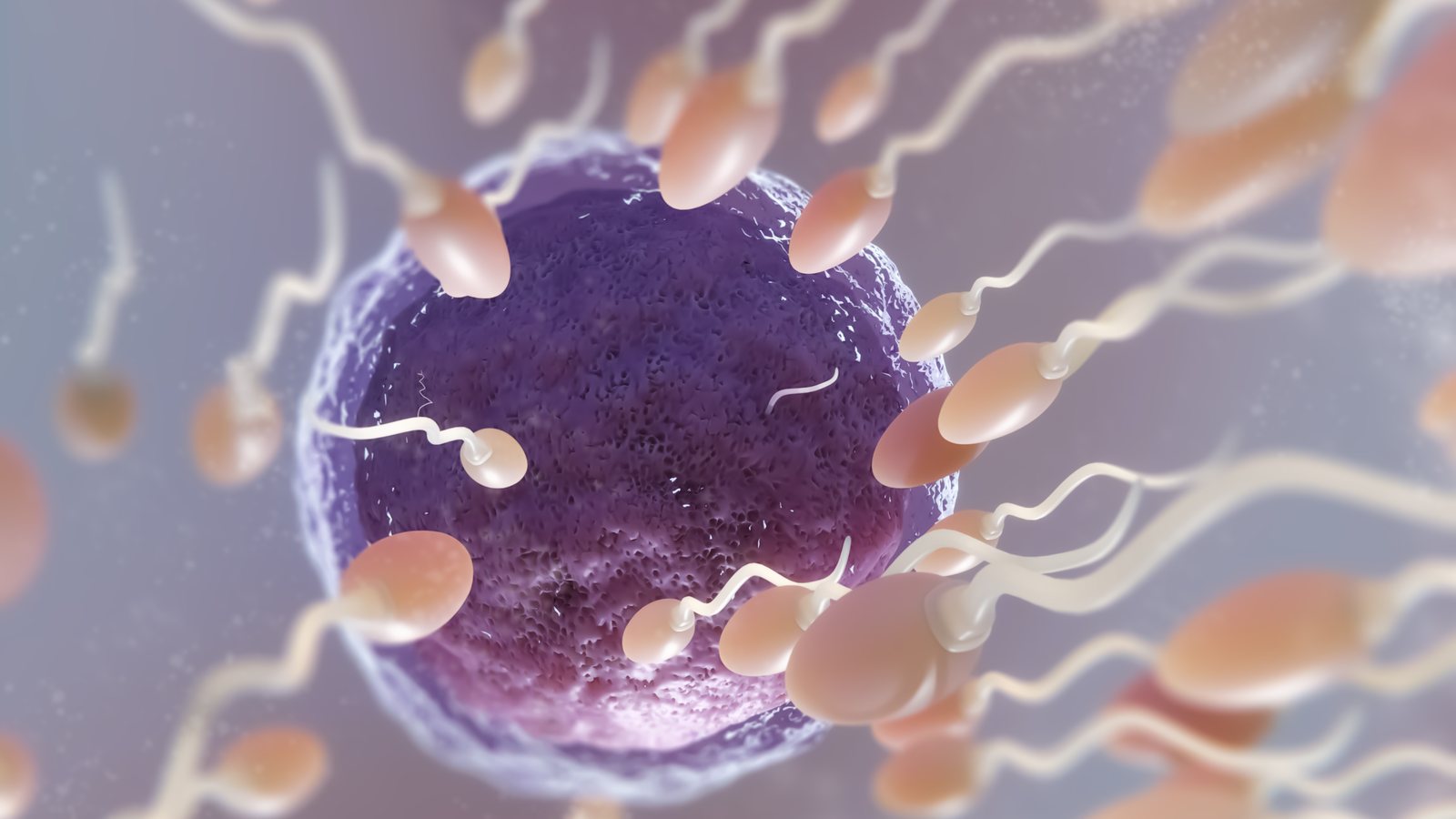
When people think about a surrogacy process, it is common for them to imagine the moment when pregnancy begins or when the embryo transfer takes place. However, long before reaching that stage, there is carefully planned scientific work that makes it possible for the entire process to move forward in a safe and organized way.
Before creating an embryo, specialists from different disciplines, advanced technology, medical protocols, and detailed planning come together to provide the best possible conditions for each case. Every decision made during these early stages has a specific purpose and is part of a process where science and experience work hand in hand.
At Surrogate Mexico, we understand that knowing what happens before embryo creation helps families better understand the entire path they are about to take. It also allows them to appreciate the work of the medical and scientific teams involved long before a pregnancy exists.
Everything Begins with a Comprehensive Evaluation
Before considering embryo creation, the first step is understanding each family’s story and needs.
No two processes are exactly the same.
Each case requires an individual evaluation to determine the best way to move forward.
During this stage, specialists analyze different medical aspects related to the assisted reproduction process.
Families are also informed about how each phase works, what options are available, and what they can expect throughout the process.
This first step allows for the creation of a clear plan from the beginning and helps ensure that future decisions are made with enough information.
Planning Is Just as Important as Technology
In assisted reproduction, outcomes do not depend only on technology.
They also depend on careful planning.
Before beginning any procedure, the medical team organizes each stage of the process so that there is coordination among the different specialists involved.
This organization allows each step to take place at the right time and helps families understand how the process will develop.
Having a clear structure also helps reduce uncertainty and makes it easier to follow each stage.
A Process That Brings Together Different Specialists
Creating an embryo does not depend on the work of just one person.
Behind this process is a multidisciplinary team that contributes specialized knowledge from different areas.
Assisted reproduction specialists.
Embryologists.
Laboratory staff.
Coordinators.
Clinical follow-up specialists.
Each person participates at different moments, but everyone works toward the same goal: ensuring that every procedure is carried out under high medical standards.
This coordination is one of the strengths of structured processes, as it allows each stage to move forward in an organized way.

The Science Behind In Vitro Fertilization
One of the foundations of gestational surrogacy is In Vitro Fertilization.
This procedure allows embryos to be created outside the body through specialized techniques developed in assisted reproduction laboratories.
Although this process may seem complex to many families, behind it is a carefully established methodology that follows precise medical protocols.
Each procedure is performed under controlled conditions to support proper embryo development before transfer.
At Surrogate Mexico, as part of Grupo Ingenes, assisted reproduction procedures are carried out with the support of an institution with more than 20 years of experience, recognized for integrating innovation, science, and technology applied to reproductive medicine.
This experience allows us to offer processes supported by specialized teams and laboratories that work under high medical standards.
Laboratories Play a Fundamental Role
When people talk about assisted reproduction, attention is often focused only on medical procedures.
However, a very important part of the process takes place inside the laboratory.
This is where embryologists perform highly specialized work that requires precision, experience, and technology.
Each procedure follows specific protocols designed to maintain controlled conditions throughout the entire process.
Although families do not always see this part of the journey, the laboratory represents one of the scientific foundations that makes embryo creation possible.
Every Decision Seeks to Provide the Best Possible Conditions
One of the most important aspects before creating an embryo is that every decision responds to a medical strategy.
Nothing happens randomly.
Every step is part of a carefully planned sequence.
Coordination between specialists allows the different stages to develop in an organized way.
This organization also helps families understand why some moments require patience and why each procedure has its own timeline.
In assisted reproduction, respecting each stage is part of the scientific process itself.
Embryo Creation Is Only One Part of the Process
It is common to think that creating an embryo represents the beginning of everything.
In reality, it is the result of work that started much earlier.
Behind it are weeks of preparation, coordination, and evaluation.
That is why, when the time for In Vitro Fertilization arrives, the process already has a strong foundation built from the first consultations.
Understanding this allows families to recognize that every step is the result of a combined effort between science, medical experience, and planning.
A New Stage Begins Afterward
Once embryos have been created, the process continues.
The next stage involves carefully preparing everything needed for embryo transfer.
Although many people consider this the most important moment, the reality is that it is part of a sequence where every stage has the same level of importance.
Each step depends on the one before it.
And every decision seeks to provide a structured and carefully coordinated process.
Science Needs to Work Together with Human Support
Technological advances have allowed assisted reproduction to evolve significantly.
However, technology alone is not enough.
Every family needs to understand what happens during the process, have their questions answered, and feel supported as they move forward.
That is why, at Surrogate Mexico, guidance and support are part of every stage.
Clear information allows families to understand what happens before creating an embryo and recognize that behind every procedure there is a team working to provide safety, organization, and follow-up.
Science explains how the process works.
Support helps families experience it with greater peace of mind.
Surrogacy Begins Long Before Pregnancy
When a family decides to begin a surrogacy process, pregnancy is still far away.
First, there is a journey involving medical specialists, laboratories, coordinators, and different professionals who work to create the necessary conditions before an embryo is created.
This preparation represents one of the most important aspects of the entire process.
Every evaluation, every protocol, and every decision are part of a model designed to move forward with organization, clarity, and scientific support.
Understanding everything that happens before embryo creation allows families to recognize that surrogacy does not begin when pregnancy occurs, but much earlier, with the behind-the-scenes work of multidisciplinary teams whose expertise makes each stage possible.
At Surrogate Mexico, as part of Grupo Ingenes, this work is carried out with the support of more than two decades of experience in reproductive medicine, a highly specialized team, and advanced technology applied to assisted reproduction. The combination of science, innovation, and professional guidance allows families to move through this process with greater confidence, understanding that behind every step there is a structure designed to provide clarity, safety, and people-centered care.
Because before there is an embryo, there is already something very important: a family project supported by science, experience, and the commitment of a team working to make that dream possible.