
Behind the Process: How Is a Surrogate Selected and Prepared?
Surrogacy is an increasingly chosen option for individuals and couples who want to build a family but are unable to carry a pregnancy due to medical,
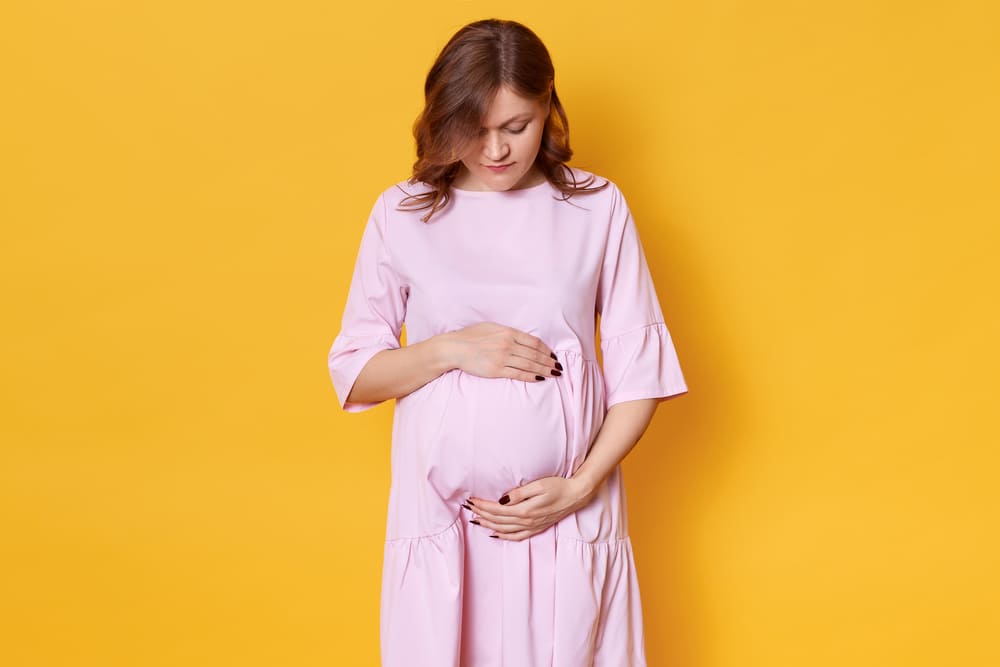
Surrogacy is an increasingly chosen option for individuals and couples who want to build a family but are unable to carry a pregnancy due to medical, personal, or biological reasons. However, behind this process lies much more than just medicine and legal contracts: there are women who decide to offer their bodies and time in service of someone else’s dream, and an agency that must ensure each of them is in the best physical, emotional, and social condition to do so.
At Surrogate Mexico, we believe that the success of a surrogacy process begins with the selection of the surrogate. That’s why we have designed a comprehensive and careful protocol that ensures both the well-being of the woman carrying the baby and the peace of mind of the intended parents.
What Does It Mean to Be a Surrogate?
Being a surrogate is not the same as being a mother. Women who participate in a surrogacy process have no procreational intent, which means they do not seek to exercise parental rights over the baby they are carrying. It is a conscious, informed, and deeply generous decision.
Not all women can or should become surrogates. At Surrogate Mexico, we know this, and that’s why we only accept candidates who meet very specific criteria that ensure a safe, ethical, and positive experience for all parties involved.
Phase 1: Initial Evaluation and Recruitment
The first stage is informative. Women interested in joining our program receive clear guidance on what it means to be a surrogate: their responsibilities, rights, process duration, medical, legal, and psychological requirements, as well as the support they will receive.
From there, those who decide to proceed complete a detailed form and go through an interview with our coordination team. This first contact allows for a preliminary evaluation of the candidate’s profile and begins the collection of basic information about her medical, family, and social history.
Phase 2: Medical Evaluation
Once the candidate has passed the initial screenings, she undergoes a full set of medical and gynecological studies. These include:
- General physical exams
- Gynecological evaluation
- Tests for infectious diseases (HIV, hepatitis B and C, syphilis, among others)
- Hormonal and reproductive studies
- Review of obstetric history
One of the essential requirements is that the woman has had at least one full-term pregnancy without complications and that she is in good physical and reproductive health. This evaluation ensures that she is medically fit to carry a pregnancy safely.
Phase 3: Psychological and Emotional Evaluation
Just as important as physical health is emotional well-being. Each surrogate candidate is evaluated by a psychologist specialized in surrogacy processes. This evaluation seeks to:
- Confirm that the woman fully understands the process and its implications
- Detect any potential emotional or psychological risk factors
- Ensure she has a stable support network (family, partner, community)
- Verify that her motivation to participate is clear, voluntary, and healthy
Additionally, in-depth interviews and psychometric tests are conducted to ensure the candidate has a solid emotional structure and an adequate understanding of the role she will play.
Phase 4: Socioeconomic Evaluation and Home Visit
Stability in the surrogate’s environment is also a key factor. Therefore, a socioeconomic study and home visit are conducted to gain firsthand insight into the candidate’s living conditions, family setting, access to health services, and overall lifestyle.
This analysis aims to confirm that the surrogate is in a stable environment, free of violence or excessive stress, and that her decision is being made from a place of safety, not out of need or vulnerability.
Phase 5: Formal Admission to the Program
Only women who pass all the above evaluations are formally admitted to the surrogate program. At Surrogate Mexico, this represents a minority of the total applicants, which reflects the high standards we apply at this crucial stage of the process.
Once accepted, surrogates receive:
- Clear contracts signed before a notary public
- Major medical and life insurance
- 24/7 medical care access with maternal-fetal specialists
- Psychological support throughout the entire process
- Fair financial compensation as stipulated by contract
- A consultant who accompanies her to every appointment, consultation and test
Phase 6: Matching with Intended Parents
With the surrogates already selected and prepared, the matching stage begins. This step is not random: at Surrogate Mexico, we match each surrogate with the most compatible intended parents, considering values, expectations, communication style, and other key factors.
This bond is very important: during pregnancy, both the surrogate and the parents will be in contact, whether through video calls, messages, or even visits (depending on the agreement). A good relationship between both parties fosters a more emotionally stable pregnancy and a positive experience for everyone.
Phase 7: Start of the Medical Process
Once the legal contract is signed and all paperwork is completed, the endometrial preparation process for embryo transfer begins. If the surrogate responds well to treatment, the transfer is performed and, if successful, the surrogacy pregnancy officially begins.
During the pregnancy, surrogates receive:
- Structured medical follow-up (regular checkups, ultrasounds, lab tests)
- Ongoing psychological support
- Regular reports for the intended parents
- 24/7 support from our team
Phase 8: Birth and Closing of the Process
When the time for delivery arrives, our team handles all logistics:
- Coordination with the private hospital
- Specialized medical supervision
- Legal documentation to register the baby
- Postnatal follow-up for the surrogate
The baby is handed over immediately to the intended parents, and the surrogate receives the support she needs to emotionally close the process. Many surrogates describe this stage as an experience of pride, joy, and fulfillment.
Conclusion: Every Surrogate Matters
At Surrogate Mexico, we don’t work with numbers or impersonal processes. Each surrogate is a woman with a unique story, whom we care for and value from day one. Our selection and support protocol is a guarantee for intended parents: behind every pregnancy is a safe environment, monitored health, and a real human commitment.
Because caring for the woman who carries your baby is also the best way to care for your family’s future.